Entry · Ref O14WKXVA
How Carpet Cleaning Greeley CO Handles Coffee and Wine Stains
- Posted
- 2026-11-25
- Last amended
- 2026-11-25
- Account
- @judahzujb221
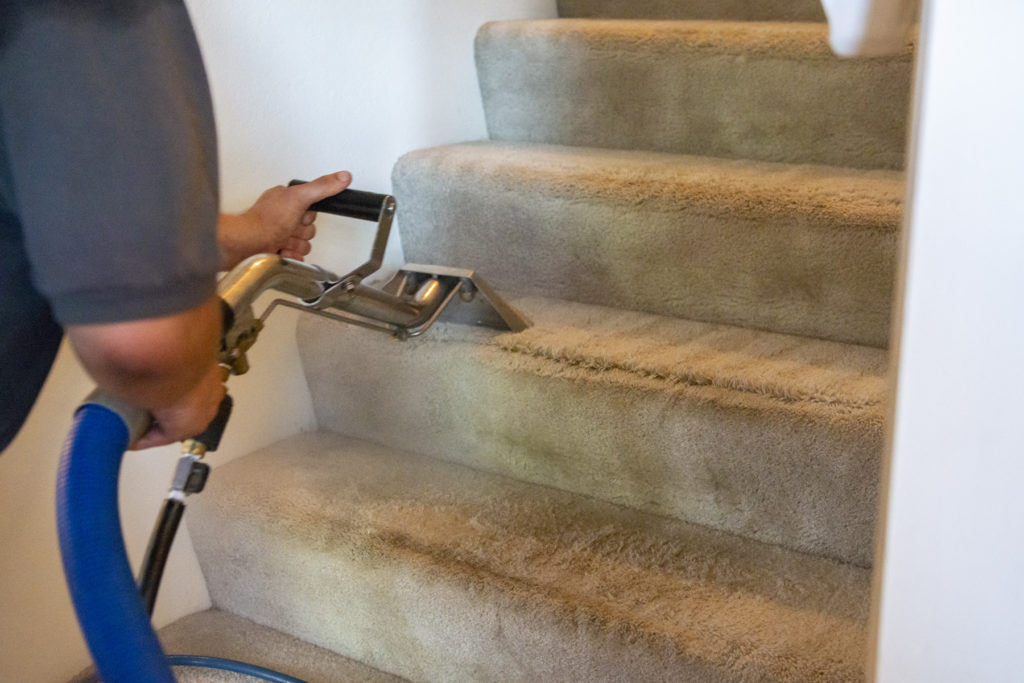


Coffee and red wine have a way of finding carpet at the worst possible moment. It is rarely a calm spill in a controlled setting. More often, it happens during a rushed morning, a holiday dinner, a kid cutting across the living room, or a guest who looks horrified before the glass even hits the floor. By the time most homeowners call for help, they have already blotted with towels, tried one or two store products, and watched the spot go from obvious to confusing. It may look lighter, but it also looks wider. Or the stain seems gone until the carpet dries and a tan or purplish shadow returns.
That is where experience matters. Carpet cleaning is not just about spraying a solution and running a machine over the surface. Coffee and wine stains behave differently, and the way Carpet Cleaning Greeley CO addresses them depends on what was spilled, how long it sat, what kind of carpet is affected, and what has already been used on it. The goal is not simply to make the spot less visible for a day. The goal is to remove as much of the staining material as possible, prevent wicking from the carpet backing, and preserve the texture and color of the fibers.
Why these two stains cause so much trouble
At first glance, coffee and red wine seem similar. Both are dark liquids. Both spread quickly. Both sink past the tips of the fibers if they are not caught right away. Yet they leave behind different problems.
Coffee usually brings tannins, oils, and sometimes milk or cream into the carpet. Black coffee is one thing. A flavored latte with sugar and dairy is another. The darker part that people notice right away is only part of the issue. Sugars can attract soil later, and milk proteins can create odor if they are not thoroughly removed. A spot that looks clean on day one may turn into a dingy patch a week later because residue was left behind.
Red wine is a more dramatic stain because of its pigment load. The deep color comes from chromogens and tannins, and those compounds bond readily to porous materials. On some light carpets, especially nylon or wool, wine can leave a stain that changes from bright red to muted brown or purple as it oxidizes. Homeowners sometimes make it worse by rubbing aggressively, which frays the fibers and drives the liquid deeper.
In Greeley homes, there is another practical factor. Carpets here deal with a lot of dry soil, tracked-in grit, and seasonal dust. When a liquid spill hits a carpet that already has fine particulate settled around the base of the fibers, the spill can pull that hidden soil upward as it dries. That is one reason the affected area can end up looking larger than the original splash zone.
The first few minutes matter more than most people realize
There is a narrow window where simple action helps a lot. After that, stain removal becomes more technical. Most professionals in Carpet Cleaning Greeley CO will tell you the same thing: blotting is useful, scrubbing is not.
Pressure should be firm but controlled, with an absorbent white towel or plain paper towels. The purpose is to lift liquid, not spread it. Colored towels are a gamble because dyes can transfer. Heat is another common mistake. Hot water may seem like a cleaning shortcut, but with some spills, especially those involving proteins or dyes, heat can accelerate setting.
One of the more frustrating service calls is the half-treated stain. That is the one where a homeowner has poured in dish soap, vinegar, baking soda, a stain stick, and perhaps a rented machine solution, all in the span of twenty minutes. Once multiple chemicals are in the carpet, the technician has to figure out what is left behind and whether the remaining discoloration is a stain, residue, fiber distortion, or all three. A seasoned cleaner can still improve it, often dramatically, but unnecessary chemistry narrows the margin for a perfect result.
What a professional looks at before treating the spot
The method starts with identification, not action. Good technicians do not rush straight to extraction or spotting. They inspect the carpet fiber, the age of the stain, the spill composition, and the condition of the surrounding area.
Fiber type matters because nylon, polyester, olefin, and Carpet Cleaning Greeley CO tlccarpetcleaningnortherncolorado.com wool do not all respond the same way. Wool, for example, deserves a gentler approach and closer pH control. Olefin is naturally stain resistant to many water-based spills, but it tends to attract oily soils, which changes the cleaning strategy if cream or flavored syrup was part of the coffee. Polyester can resist some dye absorption but can also hold oily residues.
The backing and cushion matter too. If the spill soaked through, the visible surface stain may only be part of the problem. Liquid in the pad can wick back up as the carpet dries, recreating the stain hours later. Homeowners sometimes think the cleaner missed the spot when, in reality, the lower layers were still contaminated. Professionals account for that by flushing, extracting, and monitoring for wick-back.
Past treatment history is another clue. If the carpet feels stiff, sticky, or crunchy, there is likely detergent residue in the fibers. If the stain has an unnaturally bright edge, someone may have used a strong oxidizer or bleach-based product that affected the dye system of the carpet itself. A stain can sometimes be removed, while color loss is a different category entirely.
How coffee stains are usually treated
Coffee cleanup often begins with dry soil removal if the carpet has not been recently vacuumed. That detail surprises people, but it matters. Fine grit and dust can combine with moisture to form muddy residue during treatment. Starting with clean, dry recovery around the spot prevents chasing dirt into the area.
After that, a technician will usually work with a spotter formulated for tannin-based stains, often followed by controlled agitation and extraction. The key word is controlled. Aggressive brushing can fuzz carpet fibers, especially on plush or softer constructions. Once the fibers are distorted, even a clean area can still look stained because light reflects differently off the damaged texture.
If milk, flavored creamers, or sugar were involved, the treatment has to go beyond the visible color. The area may need a rinse process that removes sticky residues from the base of the pile. In some cases, an enzyme or protein-targeting treatment is useful, particularly if the spill sat overnight or longer. Odor concerns usually come from these additives, not the coffee itself.
Some coffee stains respond in one visit with straightforward extraction and spotting. Others need repeat passes and post-treatment drying checks. The difficult ones are usually older spills that were lightly cleaned, appeared better, and then oxidized over time into a yellow-brown mark. Those often require more patience than force.
Red wine demands a different kind of precision
Wine stains are where technical judgment shows. The biggest mistake is treating every red spot the same way. Fresh wine on synthetic carpet is one problem. Dried wine on a light wool blend with prior store-bought stain remover on it is another.
Professionals usually start by removing as much free residue as possible and then addressing the dye load with specialty spotting agents. In some cases, oxidation plays a role. In others, reducing agents are more appropriate. The decision depends on the fiber, the carpet dye stability, and how the stain is presenting. This is not the kind of trial-and-error that should happen on a living room floor with random consumer products.
There is also the issue of over-wetting. A lot of homeowners assume that if a little rinsing is good, more must be better. With wine, that often just drives pigment downward and outward. A technician working in Carpet Cleaning Greeley CO is usually thinking in layers: what is sitting on the tips, what is held in the yarn, and what may have migrated into the backing. Extraction technique matters as much as chemistry.
One practical example comes up often after parties. A guest spills red wine, someone dabs at it with club soda, then later someone else sprays a general-purpose carpet cleaner on top of that. By the next morning, the stain may look lighter in the center and darker around the edge. That ring is not unusual. It forms because dissolved material moves outward with moisture as the carpet dries. A professional has to break that cycle by suspending the residue and removing it thoroughly, not merely diluting it again.
The equipment does more than most people see
From the homeowner’s perspective, the visible work is the spotting. The hidden difference is usually the extraction equipment and the operator’s discipline. Professional machines produce stronger vacuum recovery than most rental units, and that matters because stain removal is not just a chemistry task. If the dissolved soil and staining agents stay in the carpet, they can return.
A truck-mounted or high-performance portable extractor can flush and recover far more effectively than a small consumer machine. Done properly, this limits residue, reduces dry time, and lowers the chance of wick-back. Low moisture methods have their place in maintenance cleaning, but for a true beverage spill that has soaked in, deep extraction is often the more reliable choice.
Drying is part of the service, not an afterthought. Air movers may be used to speed evaporation and stabilize the result. When a spot stays damp too long, remaining material in the backing can travel upward. Technicians who know this will sometimes check the stain again near the end of the appointment or recommend a follow-up look after drying if the spill was severe.
What homeowners should do before the technician arrives
There are a few helpful steps that buy time without creating extra problems. This is one area where restraint is smarter than enthusiasm.
- Blot the spill with a clean white towel, pressing down rather than rubbing side to side.
- Remove solids gently if food, cream foam, or sediment is present.
- Keep foot traffic off the area so the spill is not ground deeper into the fibers.
- Avoid pouring multiple cleaning products onto the spot.
- If you call a professional, tell them exactly what was spilled and what you already used.
That last point saves time and improves results. “Coffee” is useful, but “iced coffee with vanilla syrup and oat milk” is better. “Red wine” is useful, but “cabernet spilled last night and treated with vinegar” is better. Specifics help the cleaner choose the safest and most effective approach.
Why some stains come back after they seemed gone
This is one of the most misunderstood parts of carpet care. A stain can disappear while the carpet is wet and reappear when it dries. That does not automatically mean the cleaning failed. It usually means there was more contamination below the surface than the first pass could fully remove.
Wicking is the usual culprit. Imagine the carpet as a layered material rather than a flat fabric. If liquid gets into the backing or pad, evaporation pulls that material upward, much like water rising through a plant stem. The top looks cleaner at first because the dissolved stain has been spread out in moisture. As the water leaves, the leftover pigments and sugars concentrate again.
Another reason is residue. Soap, spotter, or DIY cleaner left in the fibers can become sticky and attract airborne soil. What looks like the old stain returning may actually be fresh dirt clinging to leftover product. This is especially common around coffee spills treated with dish soap.
Then there is permanent fiber damage. If someone scrubbed hard with a stiff brush, the pile can become matted or frayed. Even after the stain is chemically removed, the spot may still catch light differently and appear darker. At that stage, the issue is no longer just stain removal. It is texture distortion, and results depend on how severe that distortion is.
The role of carpet type and color
Light beige carpet shows everything, but darker carpet is not immune. In fact, deep-colored carpet can hide the initial spill so well that homeowners do not realize how much liquid soaked down until odor or residue becomes a problem later.
Looped carpets can trap residue at the base where access is more difficult. Plush carpets show disturbance and shading more easily after aggressive scrubbing. Patterned carpets are forgiving visually, but that can delay treatment because the stain is less obvious at first.
Wool deserves special mention. It is durable and attractive, but it is also more sensitive than common synthetics. High alkalinity, strong oxidizers, and excessive heat can all create damage. Experienced Carpet Cleaning Greeley CO technicians treat wool with more caution, and rightly so. The same product that works well on one synthetic carpet can create color change or texture problems on wool.
What professional cleaning can realistically achieve
Most fresh coffee and wine spills improve dramatically with proper treatment, often to the point where the homeowner cannot find the spot afterward. That is the best-case scenario, and it happens often when the spill is addressed quickly and the carpet has not been overtreated.
Older stains are less predictable. A technician can usually reduce them significantly, sometimes fully remove them, but there are limits. If the carpet dye has been altered by bleach-like cleaners, if the stain has permanently bonded after months of oxidation, or if fiber damage is obvious, perfection may not be possible. Honest professionals explain that upfront rather than overpromising.
That said, “not perfect” is not the same as “not worth doing.” I have seen living room stains that looked permanent drop to barely noticeable once the residue, the ring, and the worst of the discoloration were removed. The remaining trace only showed under direct afternoon light, and for the homeowner, that was the difference between replacing carpet and keeping it for several more years.
Preventing the next stain from becoming a project
Good habits matter more than miracle products. Professional protectant can help certain carpets by improving the way liquids bead and by making cleanup easier, but it is not armor. Spills still need prompt attention. Regular professional cleaning also helps because heavily soiled carpet gives stains more material to bind with.
If you entertain often, keep plain white towels in an easy-to-reach closet rather than under the kitchen sink behind cleaning supplies. That sounds simple, but speed and convenience shape what people do in the moment. If the only available towel is red, someone will use it. If the nearest cleaner is a harsh multipurpose spray, someone will soak the spot with that. Better tools close at hand lead to better first responses.
The most practical prevention steps are short and boring, which is why they work:
- Vacuum consistently so spills do not mix with built-up grit and dust.
- Treat fresh spills quickly with blotting, not scrubbing.
- Schedule professional cleaning before traffic lanes become heavily loaded with soil.
- Reapply carpet protector when appropriate for the fiber and usage.
- Call for help early when a stain spreads, resurfaces, or involves dairy, sugar, or strong dye.
Choosing a service that knows stain work, not just general cleaning
Not every carpet cleaning appointment is stain restoration. Some companies are excellent at maintenance cleaning but less practiced with difficult spot work. There is a difference. Coffee and wine stains call for technicians who understand fiber identification, stain chemistry, rinsing, and drying, not just machine operation.
When you speak with a provider, listen for how they talk about the problem. Do they ask what was spilled, how long ago, and what was already used? Do they mention wick-back, fiber type, or residue? Those are signs you are talking to someone who does this regularly. If the answer is a generic “we’ll steam clean it and see,” that is not especially reassuring.
The best Carpet Cleaning Greeley CO services tend to be realistic and specific. They know that a fresh cabernet spill in a family room is not the same job as a month-old coffee spot in a rental unit. They will often set expectations clearly, explain the treatment path, and focus on extraction as much as chemistry.
Coffee and wine stains are common, but they are not trivial. The difference between a quick fix and a durable result usually comes down to understanding what is in the carpet, how deep it went, and how to remove it without creating a second problem. When that work is done well, the carpet looks normal again, the fibers feel clean instead of sticky, and the homeowner can stop rearranging furniture to hide one bad moment on the floor.
TLC Carpet & Air Duct Cleaning
6380 W 10th St, Suite 7
Greeley, CO 80634
(970) 352-8176
FAQ About Carpet Cleaning Greeley CO
How much should a carpet cleaner cost in Greeley?
Pricing depends on the number and size of rooms, carpet condition, and add-ons such as stain treatment or stairs. Ask for an itemized quote.
How long will my carpet take to dry after cleaning?
Drying time varies with the carpet, cleaning method, humidity, and airflow. Ask the technician for an estimate and when to move furniture back.
How do I prepare my home for carpet cleaning?
Pick up small items, clear a path for equipment, and point out stains or delicate fibers. Ask the cleaner which furniture they can move and what needs to be moved before the visit.